
-
ZOLL Factory Refurbished X Series Monitor/Defibrillator (Used / Pre-Owned)
Prix habituel $21,850.00 CADPrix habituelPrix unitaire par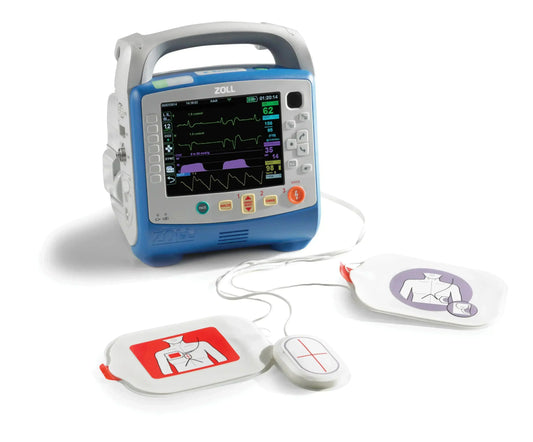
-
ZOLL Factory Refurbished R Series Monitor/Defibrillator (Used / Pre-Owned)
Prix habituel $15,000.00 CADPrix habituelPrix unitaire par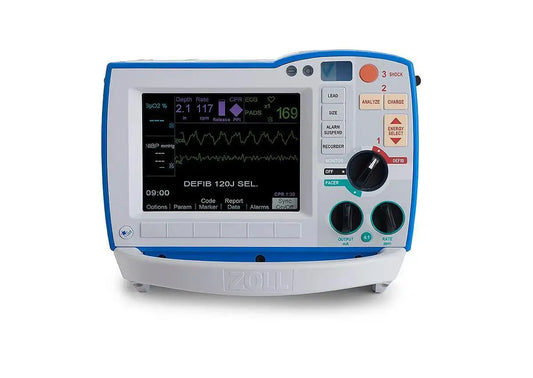
-
ZOLL AED Plus - Complete Workplace Package - Cabinet, Signage & CSA Kit Included
Prix habituel $2,755.00 CADPrix habituelPrix unitaire par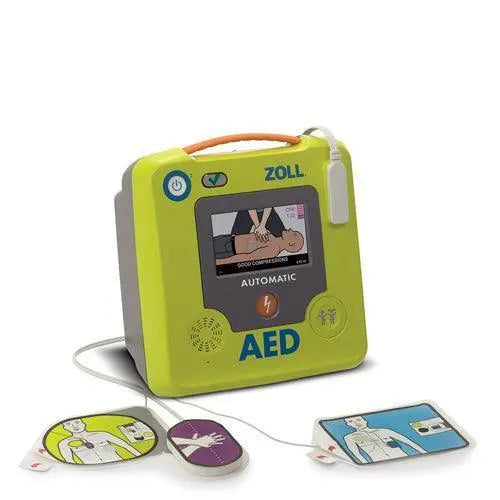
-
ZOLL AED Plus Complete Workplace Package - Cabinet, Signage & CSA Kit Included
Prix habituel $2,465.00 CADPrix habituelPrix unitaire par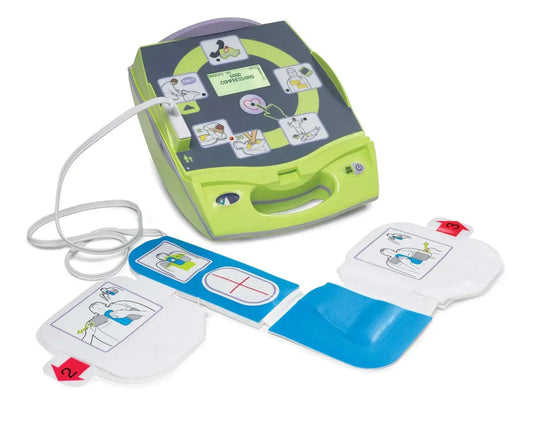
-
ZOLL AED 3 Automated External Defibrillator (AED)
Prix habituel Du $2,457.00 CADPrix habituelPrix unitaire par$4,593.00 CADPrix soldé Du $2,457.00 CAD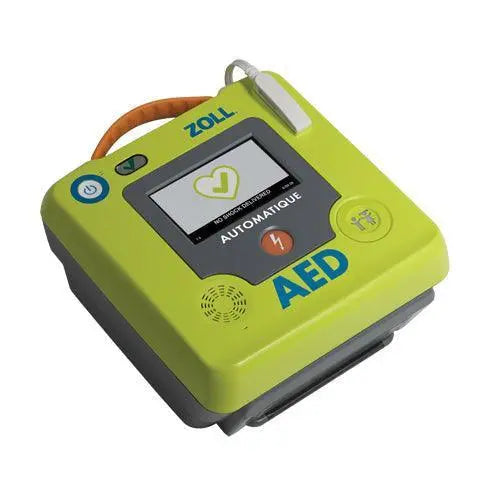 Vente
Vente -
ZOLL AED Pro - Demo Model
Prix habituel $2,400.00 CADPrix habituelPrix unitaire par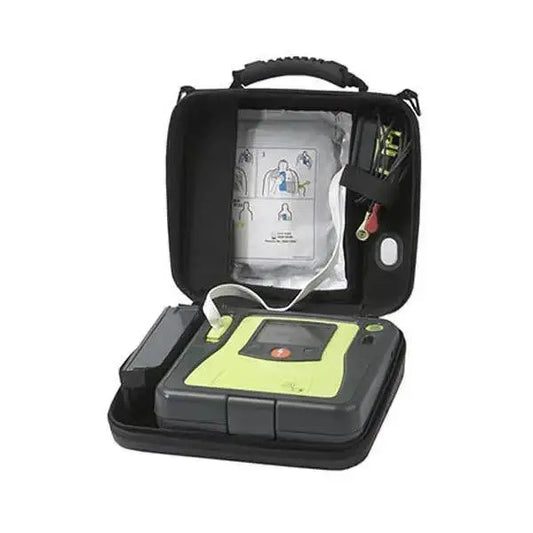
-
ZOLL Powerheart G5 Complete Workplace Package - Cabinet, Signage & CSA Kit Included
Prix habituel $2,380.00 CADPrix habituelPrix unitaire par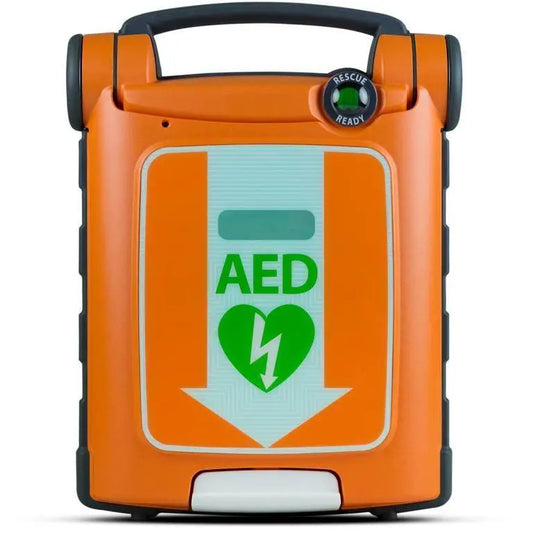
-
ZOLL Powerheart G5 AED (Cardiac Science) - Automated External Defibrillator
Prix habituel $2,280.00 CADPrix habituelPrix unitaire par$3,497.00 CADPrix soldé $2,280.00 CADVente -
ZOLL AED Plus Automated External Defibrillator (AED)
Prix habituel $2,265.00 CADPrix habituelPrix unitaire par$2,719.00 CADPrix soldé $2,265.00 CAD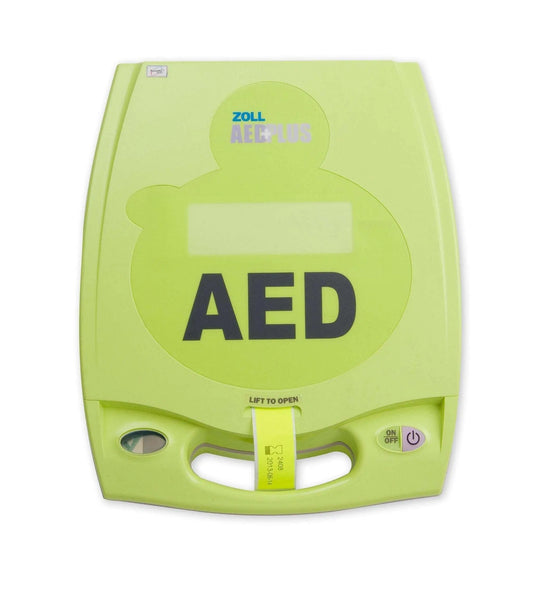 Vente
Vente -
Prix habituel Du $959.25 CADPrix habituelPrix unitaire par
$1,045.58 CADPrix soldé Du $959.25 CAD -
ZOLL Powerheart G5 Adult Defibrillator Pads with CPR Device (Intellisense ICPR)
Prix habituel $343.00 CADPrix habituelPrix unitaire par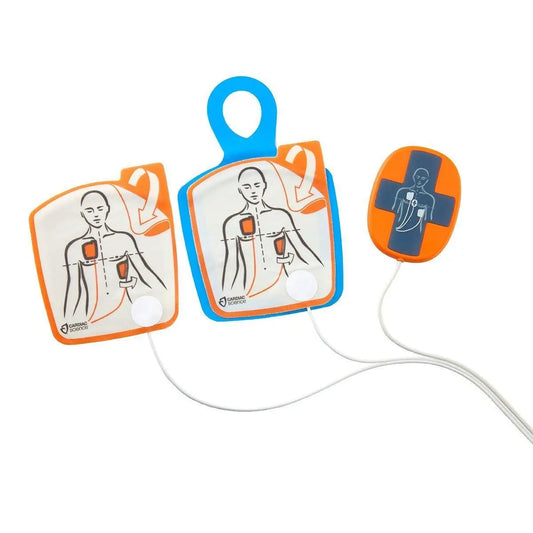
-
ZOLL CPR Uni-Padz III, Adult/Pediatric Defibrillator Pads, Universal AED Pads
Prix habituel $289.00 CADPrix habituelPrix unitaire par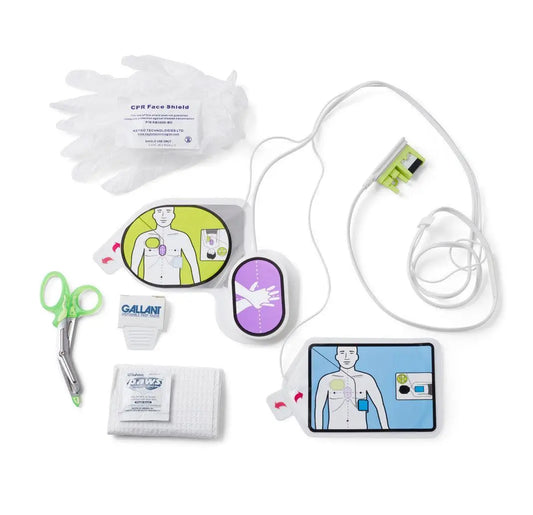
-
Cabinet with Alarm
Prix habituel $279.95 CADPrix habituelPrix unitaire par
-
ZOLL AED 3 Lithium Battery Pack
Prix habituel $264.00 CADPrix habituelPrix unitaire par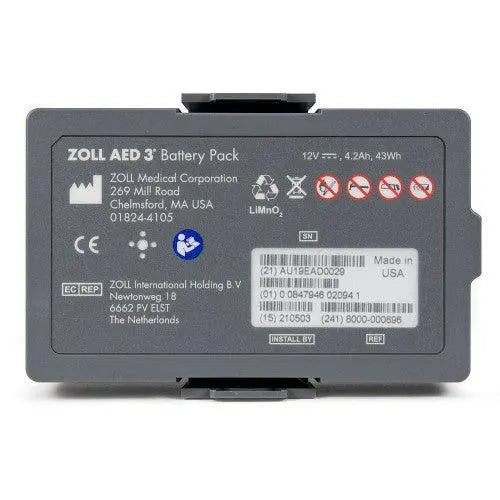
-
ZOLL AED Plus CPR-D-Padz - Adult Defibrillator Pads
Prix habituel $256.00 CADPrix habituelPrix unitaire par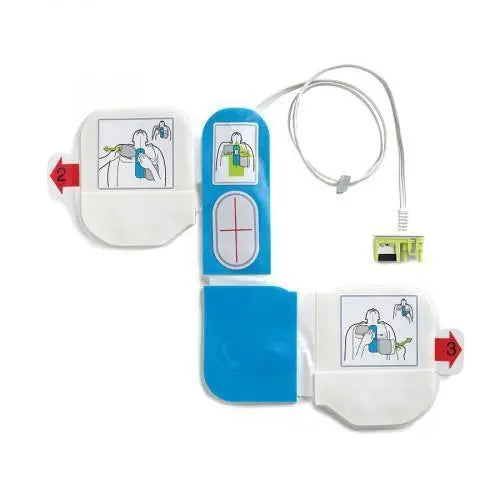
-
ZOLL Powerheart G5 AED Premium Carry Case
Prix habituel $183.00 CADPrix habituelPrix unitaire par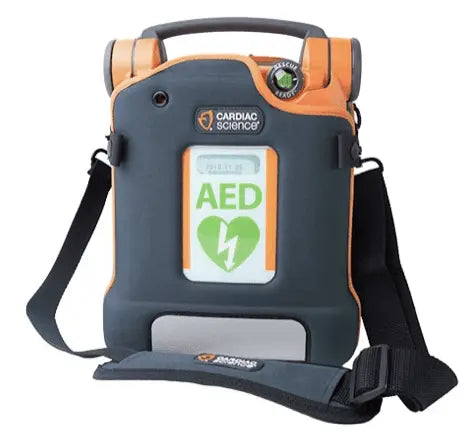
-
ZOLL Soft AED Plus Carrying Bag for AED
Prix habituel $162.00 CADPrix habituelPrix unitaire par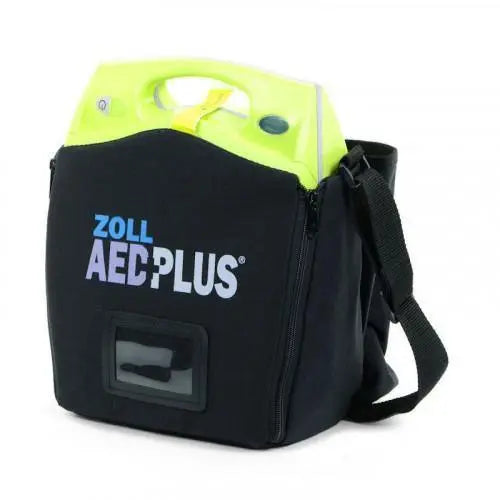
-
ZOLL Pedi-Padz II Pediatric Defibrillator Pads, AED Pediatric Pads
Prix habituel $161.00 CADPrix habituelPrix unitaire par
-
Stryker LIFEPAK® CR2 AED Semi-Rigid Carry Case
Prix habituel $126.00 CADPrix habituelPrix unitaire par$289.94 CADPrix soldé $126.00 CAD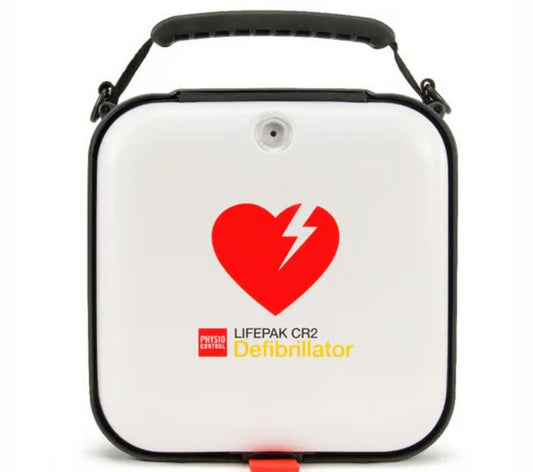 Épuisé
 -
AED ZOLL Battery Replacement Pack
Prix habituel $122.00 CADPrix habituelPrix unitaire par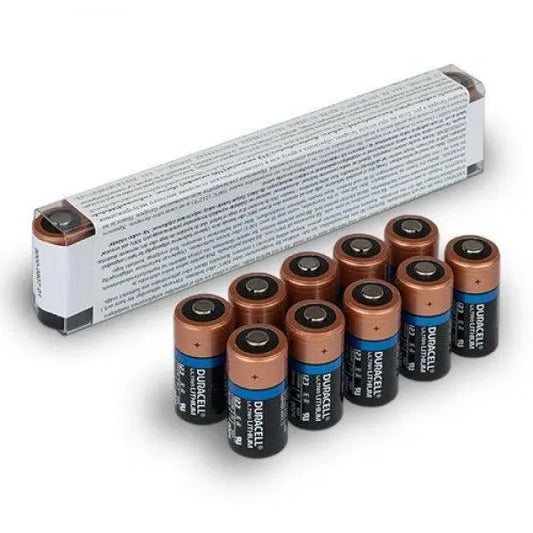
-
ZOLL CPR Stat-Padz - HVP Multi-Function Adult Defibrillator Pads
Prix habituel $119.00 CADPrix habituelPrix unitaire par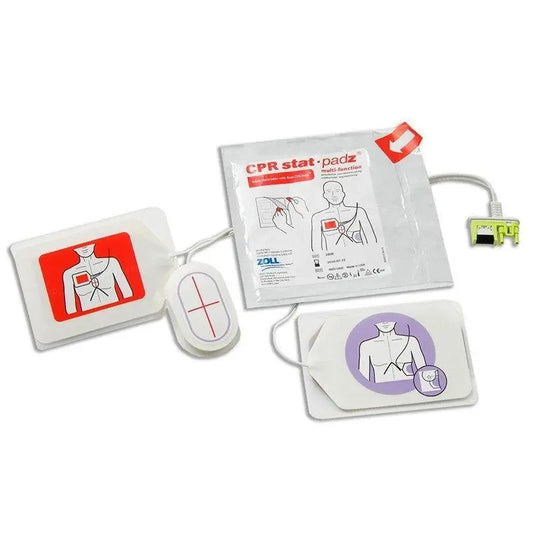
-
AED Station Bracket
Prix habituel $92.00 CADPrix habituelPrix unitaire par$110.00 CADPrix soldé $92.00 CAD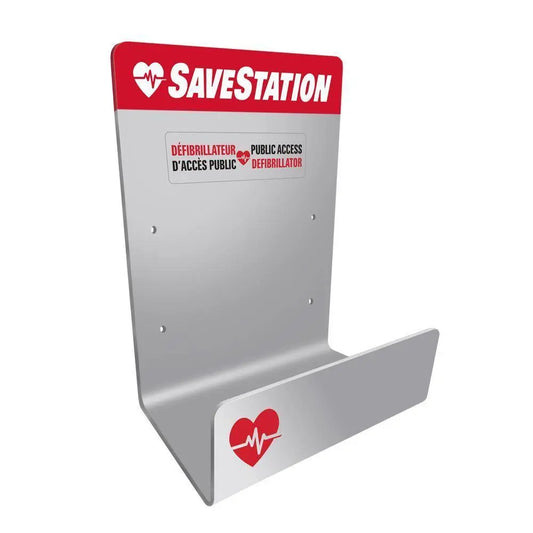 Vente
Vente -
ZOLL Powerheart G5 AED Carrying Bag for AED
Prix habituel $88.00 CADPrix habituelPrix unitaire par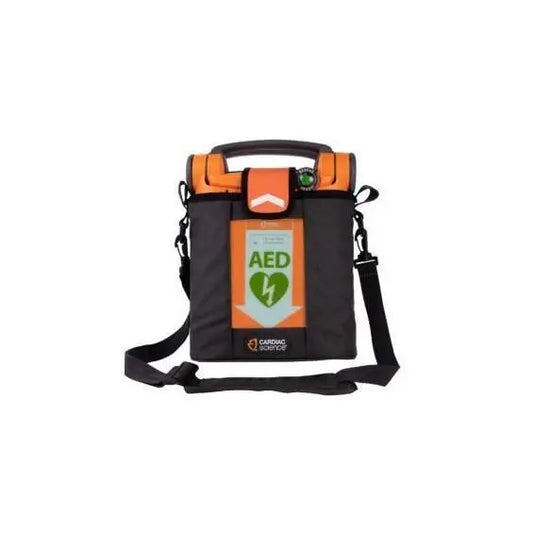
-
AED Preparation Kit
Prix habituel $22.95 CADPrix habituelPrix unitaire par$25.00 CADPrix soldé $22.95 CAD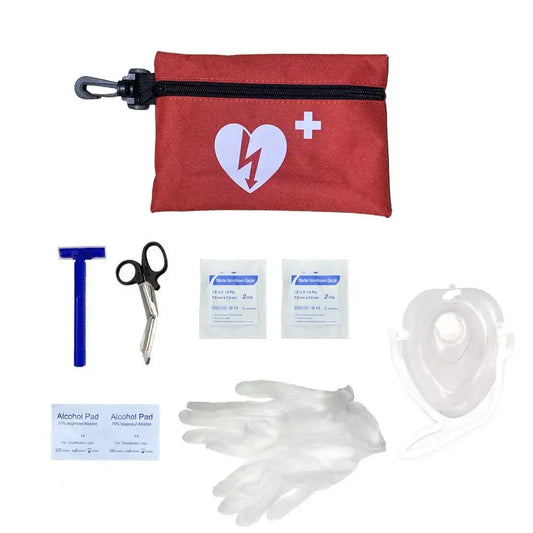 Vente
Vente


Frequently Asked Questions
Pads and batteries for AEDs are not universal because most AEDs come with pads and batteries which should only be used with the particular model.
Prior to using an AED, one needs to check whether there is a readiness light, that batteries are functioning well and that the electrode pads are in good condition, that is, have not expired.
The AED kit contains the AED device, the electrode pads and the battery, along with other basic emergency equipment and, in some cases, a carrying case and signage. With time, the pads and batteries will wear out and therefore will have to be replaced.
It depends on the expiry period provided by the manufacturer of the AED. Pads and batteries should be replaced either as soon as the expiry period expires or as soon as an AED is used in an emergency situation.