

Last Updated: November 22, 2026
Quick Summary
A safety equipment procurement process starts with a written hazard assessment, then sets the standards, quantities, budget and approved suppliers before any order is placed. Ontario workplaces should match PPE and first aid kits to the number of workers and the risk level, then track expiry dates and inspections. This repeatable approach lets you respond to shortages and price changes without starting from zero.
- Choose PPE from a hazard assessment listing each task, its hazards and the people exposed.
- Use a supplier scorecard covering compliance documents, lead time, delivery, returns, support and total cost.
- Build the budget around total cost of ownership, including replacement, inspection, training and disposal.
- Match a CSA Type 2 kit to 2 to 25 workers and a Type 3 kit to 26 to 50 workers.
- Inspect first aid kits on a fixed schedule and record dates, inspectors, replacements and next due dates.
Table of Contents
- Why Ontario Workplaces Need a Structured Procurement Process
- Assessing Hazards and Choosing the Right PPE
- Ontario Workplace First Aid Kit Requirements
- Building a PPE Procurement Checklist
- Evaluating Suppliers and Writing Request-for-Quote Criteria
- Budget Planning and Total Cost of Ownership for Safety Equipment
- Scheduling First Aid Kit Inspections and Keeping Records
- Putting Your Procurement Plan Into Action
- Frequently Asked Questions
Why Ontario Workplaces Need a Structured Procurement Process
In Ontario, workplace safety procurement has shifted from reactive, last-minute purchasing to a strategic operational requirement. According to Ontario Ministry of Labour, Immigration, Training and Skills Development workplace safety resources(https://www.ontario.ca), employers are legally responsible for ensuring that all protective equipment meets established safety standards and is maintained in good condition.
At First Aid Plus, we observe that many Ontario sites struggle with fragmented inventory, such as expired supplies or missing PPE, which can be mitigated by a standardized procurement process. Market data suggests that the demand for workplace safety compliance tools remains high; Statista's global workplace safety market outlook(https://www.statista.com) indicates significant ongoing investment in industrial safety equipment to meet evolving regulatory requirements. By defining hazards, standards, and budgets in advance, procurement teams can maintain continuity during supply chain disruptions.
Assessing Hazards and Choosing the Right PPE
Selecting PPE begins with a formal hazard assessment rather than a product catalogue. You must document every task, the associated risks—such as chemical exposure, noise, or mechanical hazards—and the specific personnel exposed. This list serves as the foundation for your equipment requirements and must be updated whenever work processes change.
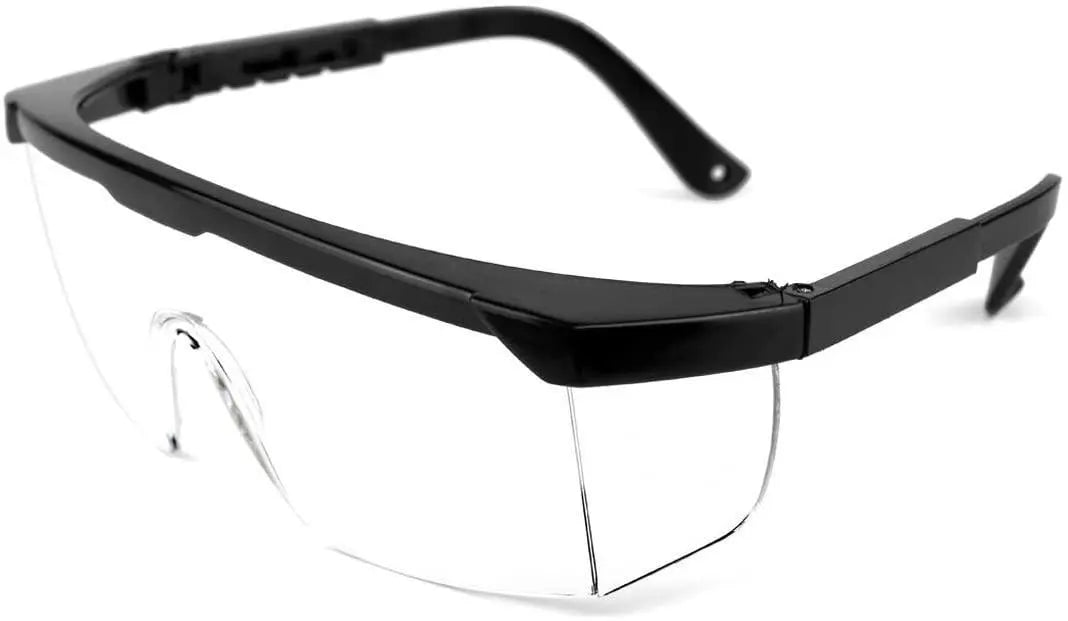
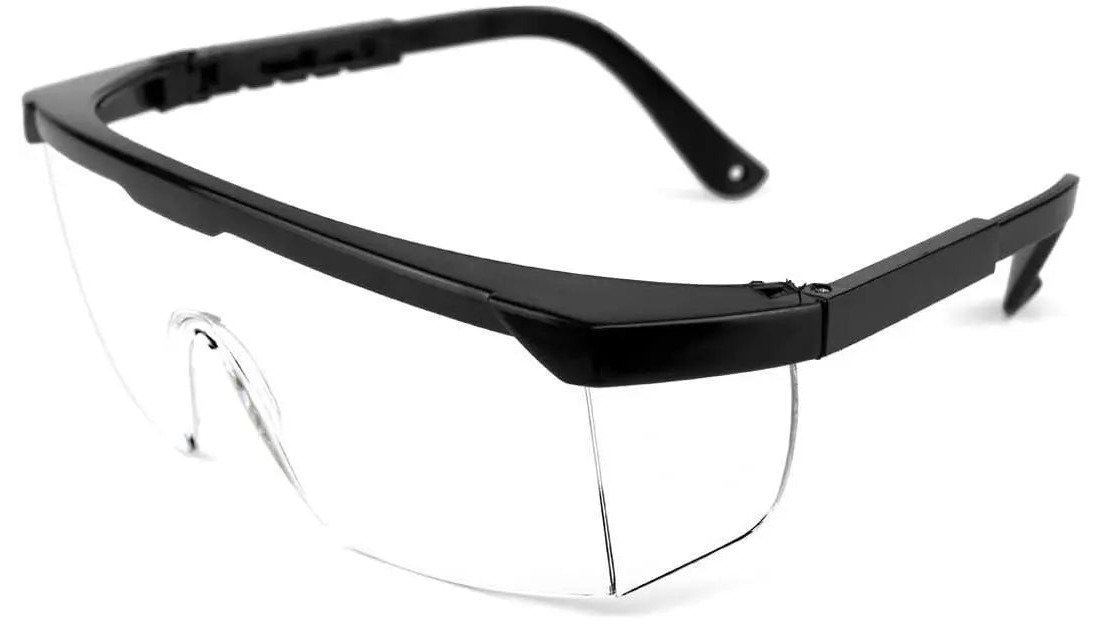
For eye protection, our Safety Glasses, Anti Fog, Anti Scratch with Adjustable Temples Design provide essential front and side protection, priced at $4.95 CAD. When selecting gear, prioritize fit and comfort, as these factors directly impact worker compliance. Always record the specific models chosen to ensure future replacements remain consistent with what your team already uses.
Ontario Workplace First Aid Kit Requirements
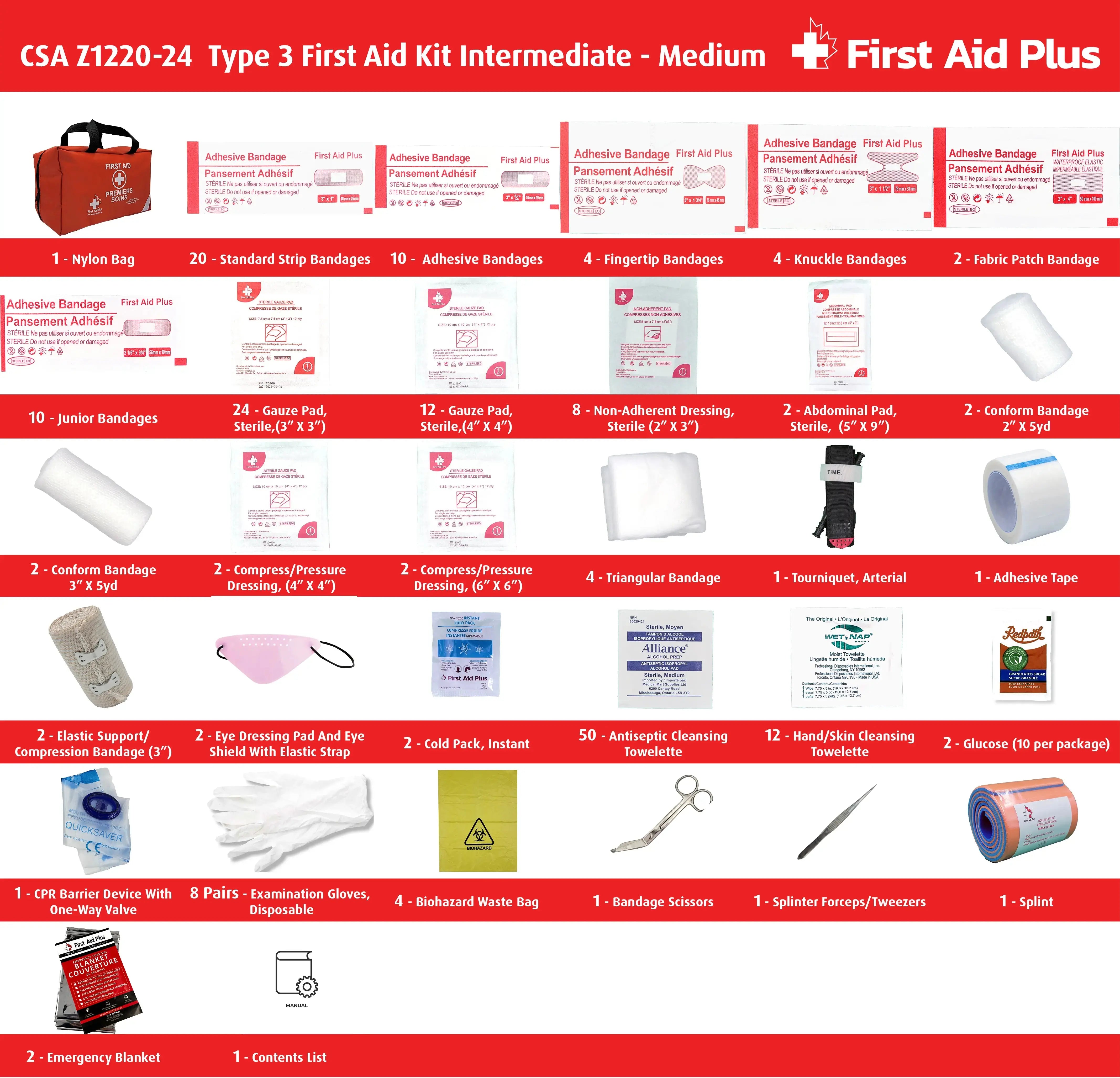
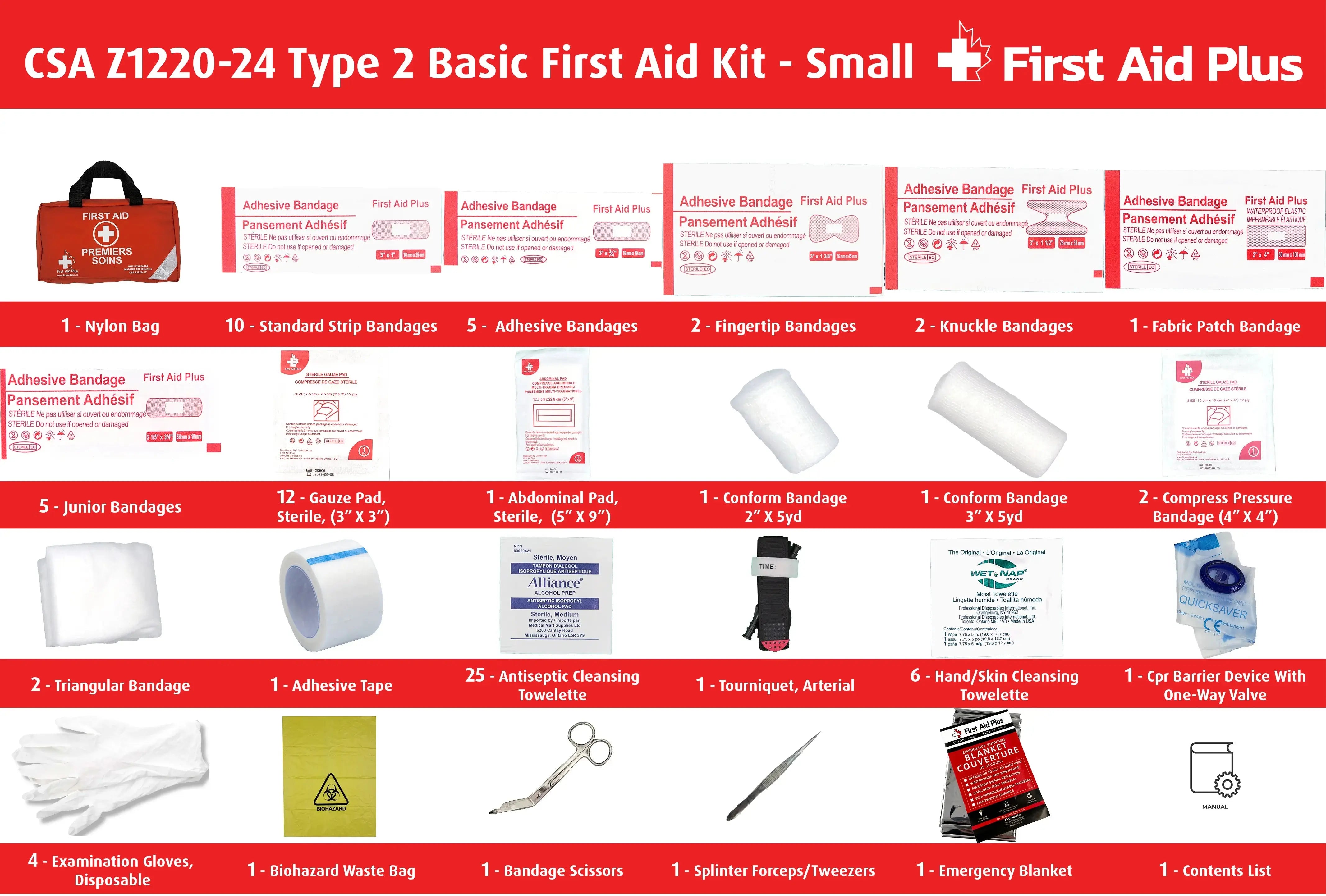
Every Ontario workplace must maintain a first aid kit that complies with the Canadian Standards Association (CSA) Z1220:24 requirements, sized according to the number of workers and the risk level of the environment. Our CSA Type 3 Intermediate First Aid Kit - Medium (26-50 Workers) is designed for higher-risk environments and is priced at $157.95 CAD. For smaller, lower-risk teams, the CSA Type 2 Basic First Aid Kit - Small (2-25 Workers) is available for $35.95 CAD. Always verify current content requirements through the Ontario Ministry of Labour(https://www.ontario.ca) to ensure ongoing compliance.
Building a PPE Procurement Checklist
A procurement checklist translates your hazard assessment into an actionable purchasing document. For every item, record the hazard it mitigates, the required CSA or relevant Canadian standard, the specific model or size, the quantity needed per shift, the replacement frequency, and the approved supplier.
Keep this document concise to ensure it is used consistently by management. Review the checklist annually or immediately following any workplace incident or significant change in facility layout.
Evaluating Suppliers and Writing Request-for-Quote Criteria
Before soliciting quotes, establish a formal scorecard to evaluate potential suppliers.
Product availability and lead time. Request the lead time in business days and clarify the supplier's backorder policy.
Delivery logistics. If managing multiple sites, confirm if the supplier delivers to individual locations or a central hub, and identify who covers shipping costs.
Returns and support. Define the return window and the process for handling warranty claims.
Total cost of ownership. Compare the lifecycle cost, including replacement items, rather than just the initial kit price.
Supplier verification. Confirm the supplier's business standing and request references from similar Ontario workplaces. For site-specific requirements, First Aid Plus can assist in evaluating your current safety setup.
Budget Planning and Total Cost of Ownership for Safety Equipment
Effective budgeting requires looking beyond the initial sticker price. Build your budget by itemizing costs for each piece of equipment, including the purchase price in CAD, replacement intervals, quantity per site, and the labor hours required for inspection and restocking.
Divide your budget into three distinct categories: initial capital investment, recurring replacement costs, and an emergency contingency fund. This structure prevents the contingency fund from being depleted by routine expenses.
Key cost drivers include:
- Replacement frequency. Items like bandages and eye dressings have expiry dates that dictate recurring costs.
- Inspection time. Calculate the labor cost for supervisors or safety officers to conduct regular checks.
- Training. Include the costs for initial and refresher training, including labor rates.
- Downtime. Estimate the cost of work stoppages caused by missing equipment.
- Disposal. Account for the costs associated with the proper disposal of expired or damaged materials.
| Cost driver | What it covers | Why it matters |
|---|---|---|
| Replacement frequency | Expiry-dated items such as bandages and gauze | Drives recurring cost by kit type and storage |
| Inspection time | Supervisor or safety-officer time per site inspection | Record minutes per inspection and inspections per year |
| Training | Initial and refresher training on correct use | Include hours and the labor rate |
| Downtime and gaps | Cost of a missing item that stops work or delays response | Estimate in hours, not zero |
| Disposal | Expired or damaged items | Some items require special handling |
Scheduling First Aid Kit Inspections and Keeping Records
Maintain a strict inspection schedule for all first aid kits. During each inspection, check for expired bandages, gauze, eye dressings, and cleansing towelettes, and ensure that CPR barrier devices and tourniquets are present and functional.
Documentation is critical for compliance. Record the date, the name of the inspector, all items replaced, and the next scheduled inspection date. Keep these logs accessible for internal audits or regulatory reviews. For more information on maintaining compliance, consult the First Aid Kit Inspection Service in Ontario: Compliance Guide.
Putting Your Procurement Plan Into Action
Begin by conducting a thorough hazard assessment this week, followed by the creation of your procurement checklist and supplier criteria. Communicate these plans clearly to the workers using the equipment and the managers responsible for budget approval.
Browse our first aid kits to identify the appropriate sizes and types for your workplace. For additional guidance on compliance and safety standards in Ontario, visit First Aid Plus.
Building a compliant safety program is easier when your equipment and training come from one source. First Aid Plus supplies CSA-standard first aid kits, eyewear and safety gear, and runs WSIB-compliant courses for Ontario workplaces, so your team can buy and train in one place.
Frequently Asked Questions
How do Ontario workplaces decide what safety equipment to buy?
Ontario workplaces start with a hazard assessment of each task and work area, then match the protective equipment to the hazards identified. The employer is responsible for providing equipment that protects workers, so the assessment should drive the purchase list rather than a catalogue. Involving supervisors and frontline workers helps confirm fit, comfort and practical use. Review the assessment whenever processes, materials or work locations change, and check the applicable Ontario occupational health and safety requirements for the specific equipment involved.
What should be included in a workplace safety equipment procurement checklist?
A procurement checklist should list each hazard, the equipment required to control it, the applicable standard or certification, quantities based on headcount and shift size, sizing and fit needs, and the replacement schedule. Add a column for the supplier, unit price in CAD, delivery lead time and the person responsible for approval. Keep the checklist with the hazard assessment so the reasoning behind each purchase is documented and can be reviewed during inspections or audits.
How do you choose a reliable safety equipment supplier in Ontario?
Evaluate suppliers on product certification, documentation, local availability, delivery speed for emergency replenishment and after-sale support. Ask for product specifications and compliance documentation before ordering. Request quotes from at least three suppliers using the same specification sheet so prices can be compared fairly. A supplier that can explain how a product meets the relevant CSA requirement is usually a safer long-term choice than the lowest bid.
How often should workplace first aid kits be inspected and restocked?
Inspect workplace first aid kits on a regular schedule, and restock any item after use or when it reaches its expiry date. Check seals, expiry dates and missing items on a regular schedule, with a fuller audit at least once a year. Record each inspection with the date, the name of the inspector and any items replaced. Kits sized for 26 to 50 workers, such as the CSA Type 3 Intermediate kit, typically need more frequent checks than small basic kits.
What should employers consider when selecting personal protective equipment?
Employers should consider the specific hazard, the level of protection required, the fit and comfort of the equipment for each worker, and whether it meets a recognized standard. Fit matters because ill-fitting equipment is often removed or worn incorrectly. Consulting workers about comfort, and providing training on correct use and care, improves compliance. For eye protection, adjustable and anti-fog designs such as the Safety Glasses, Anti Fog, Anti Scratch with Adjustable Temples Design can help workers keep their protection in place during daily tasks.
How can a workplace plan a budget for safety equipment?
Start with the annual quantities needed for replacements, expiries and new hires, then add one-time purchases such as a first aid kit for a new site or an emergency eyewash station. Price each item in CAD, including delivery and any required training. Calculate total cost of ownership by including replacement frequency, inspection time and disposal. Building a reserve for emergency replenishment prevents shortages when an incident uses up supplies unexpectedly.
What records should a workplace keep for safety equipment purchases and inspections?
Keep purchase records showing the product, specification, certification, supplier, quantity, date and cost. Keep inspection logs with dates, inspector names, items checked and any replacements made. Store training records and the hazard assessments that justify each purchase. Good records make audits faster and help you show that equipment was chosen, maintained and replaced according to a documented process.
